








START WITH THE SPECTRUM
Choose Light for Your Goal
Blue, green, red and near-infrared light serve different routines. Start with the spectrum that matches your priority—not the device with the most colors.

Compare spectrum, coverage, output context and controls before choosing the device that fits your routine.
START WITH THE SPECTRUM
Blue, green, red and near-infrared light serve different routines. Start with the spectrum that matches your priority—not the device with the most colors.
READ OUTPUT IN CONTEXT
A power figure is meaningful only with its measurement distance. Compare irradiance alongside coverage and recommended session time.

MATCH YOUR ROUTINE
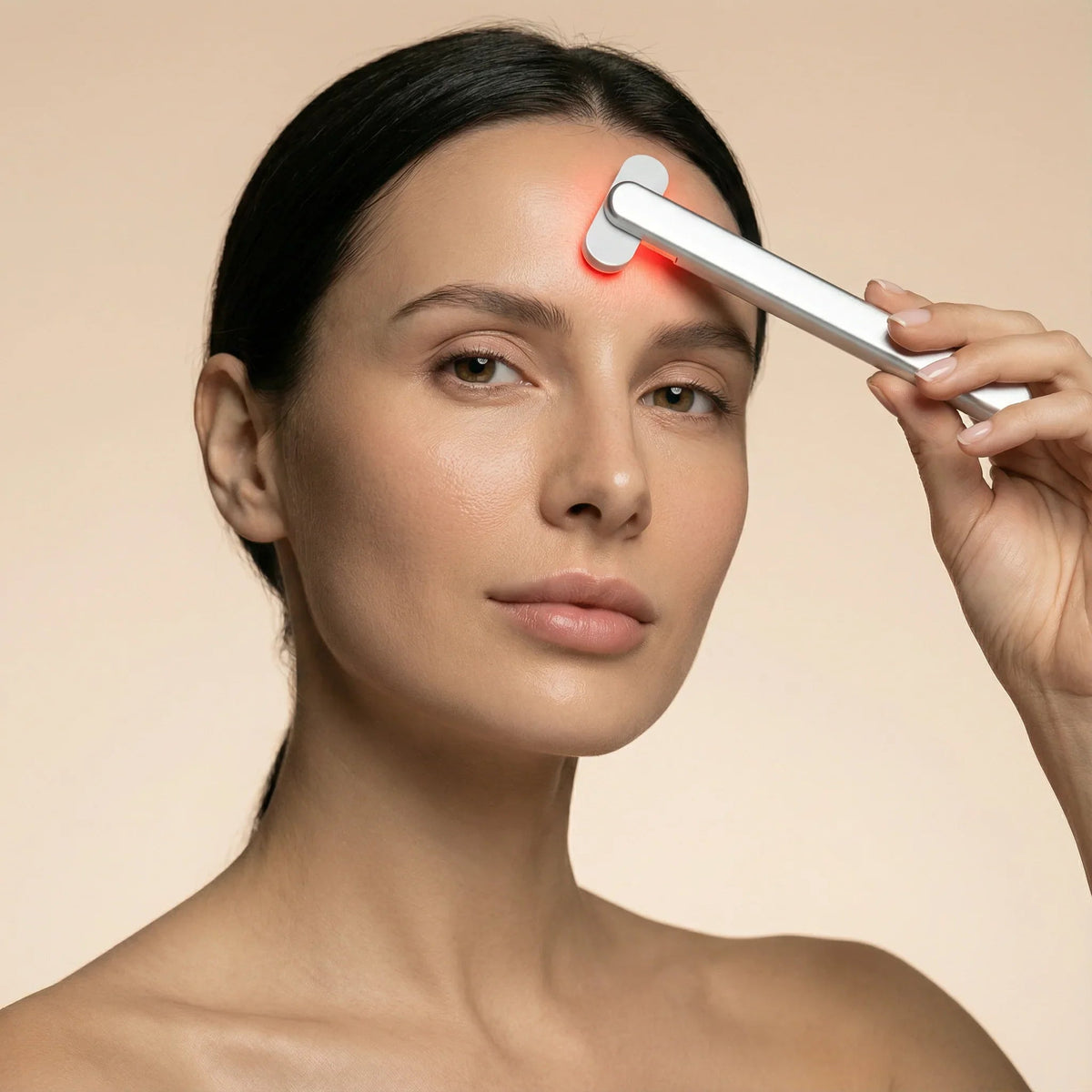
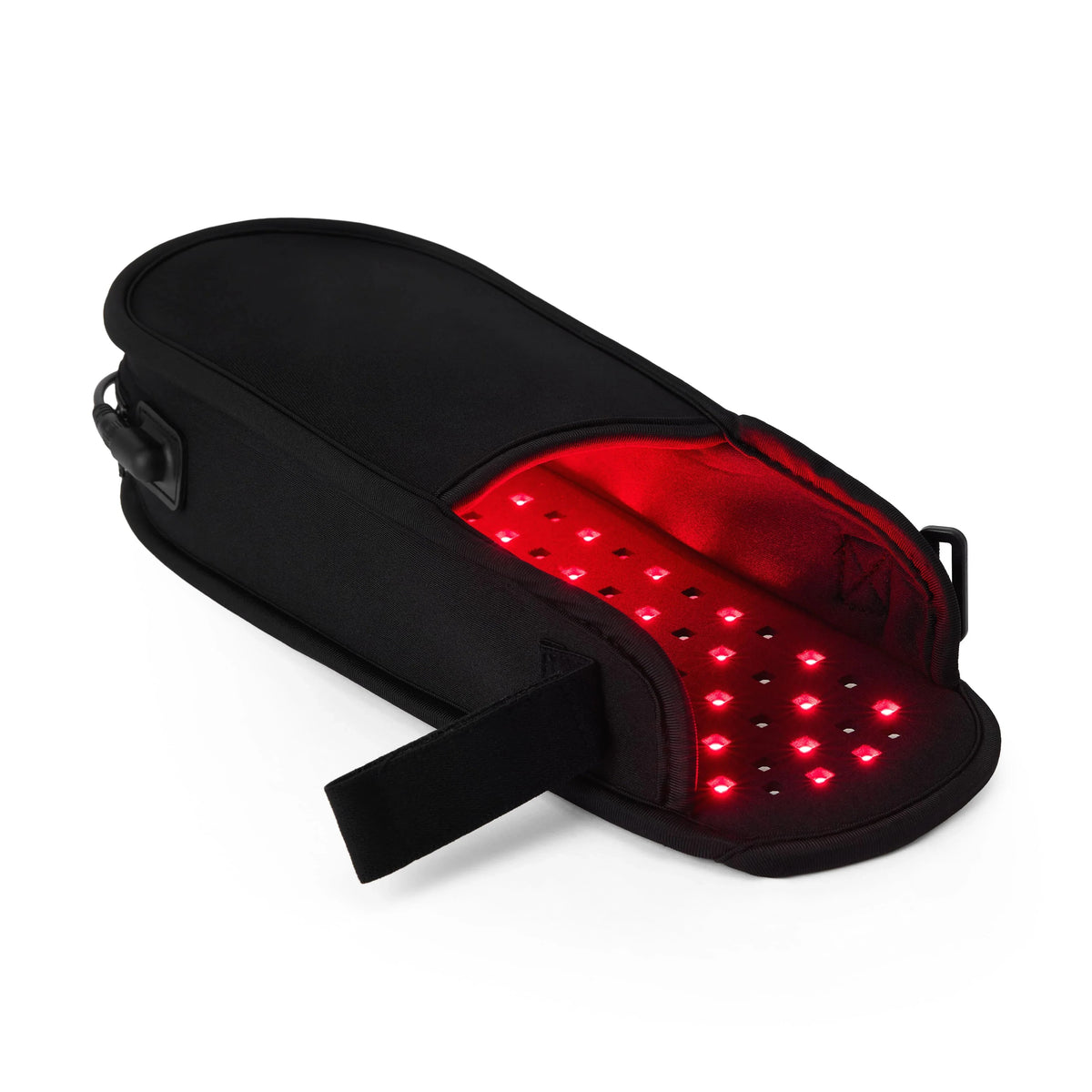
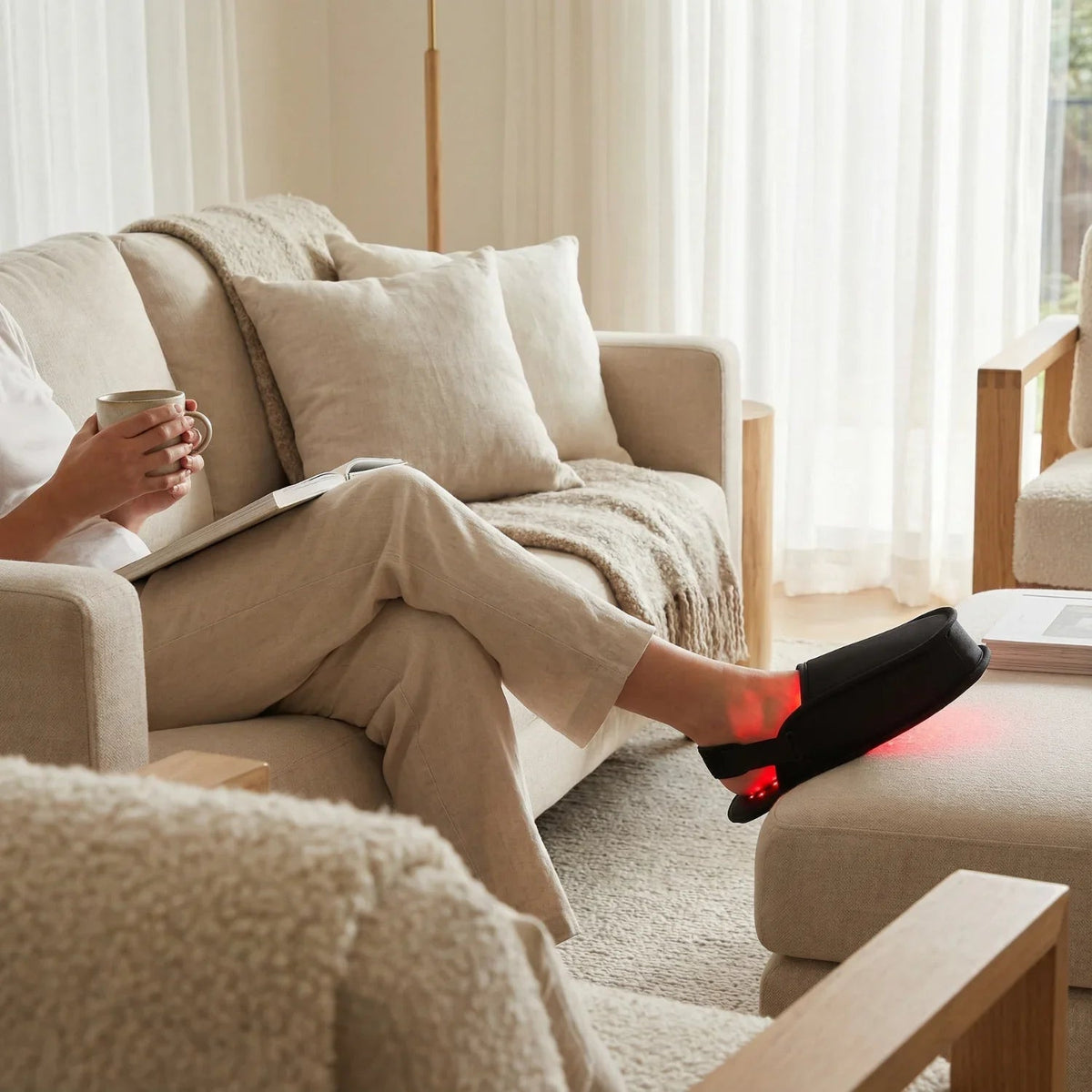
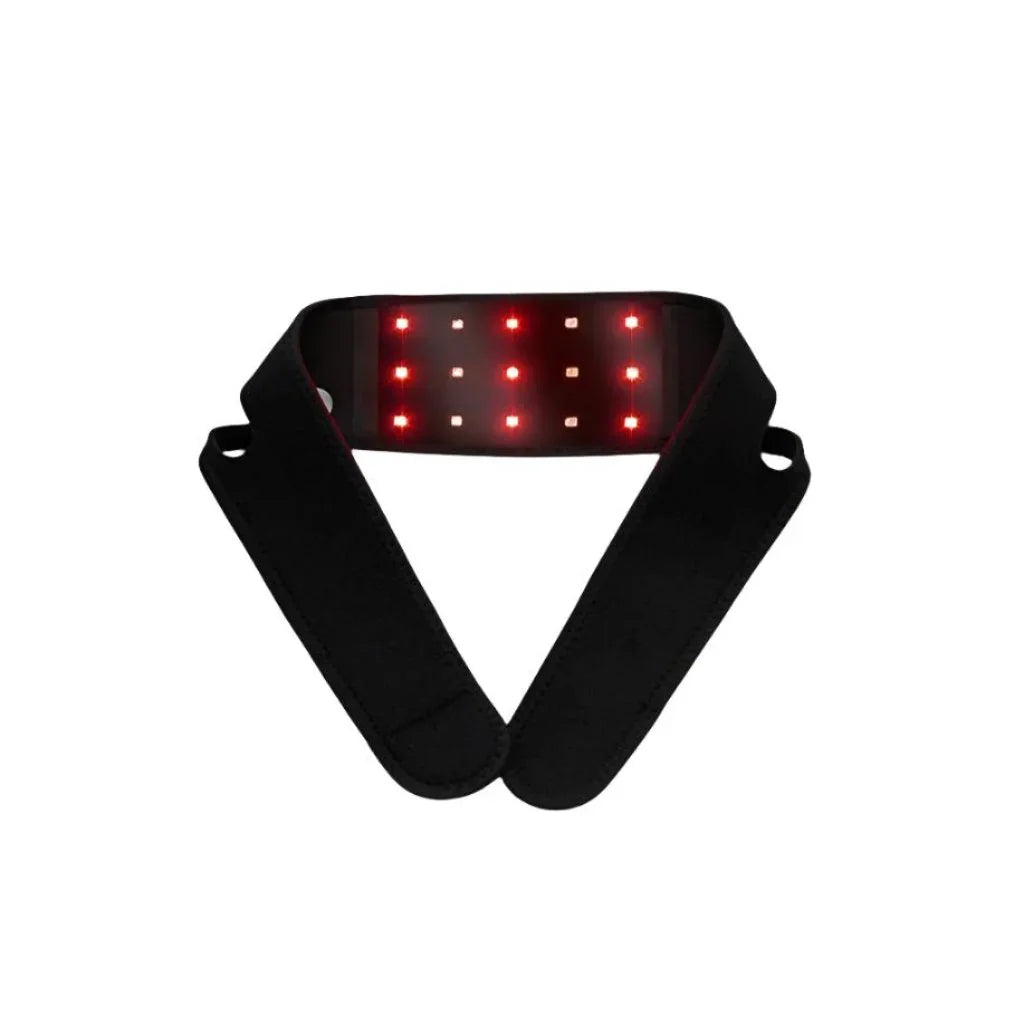
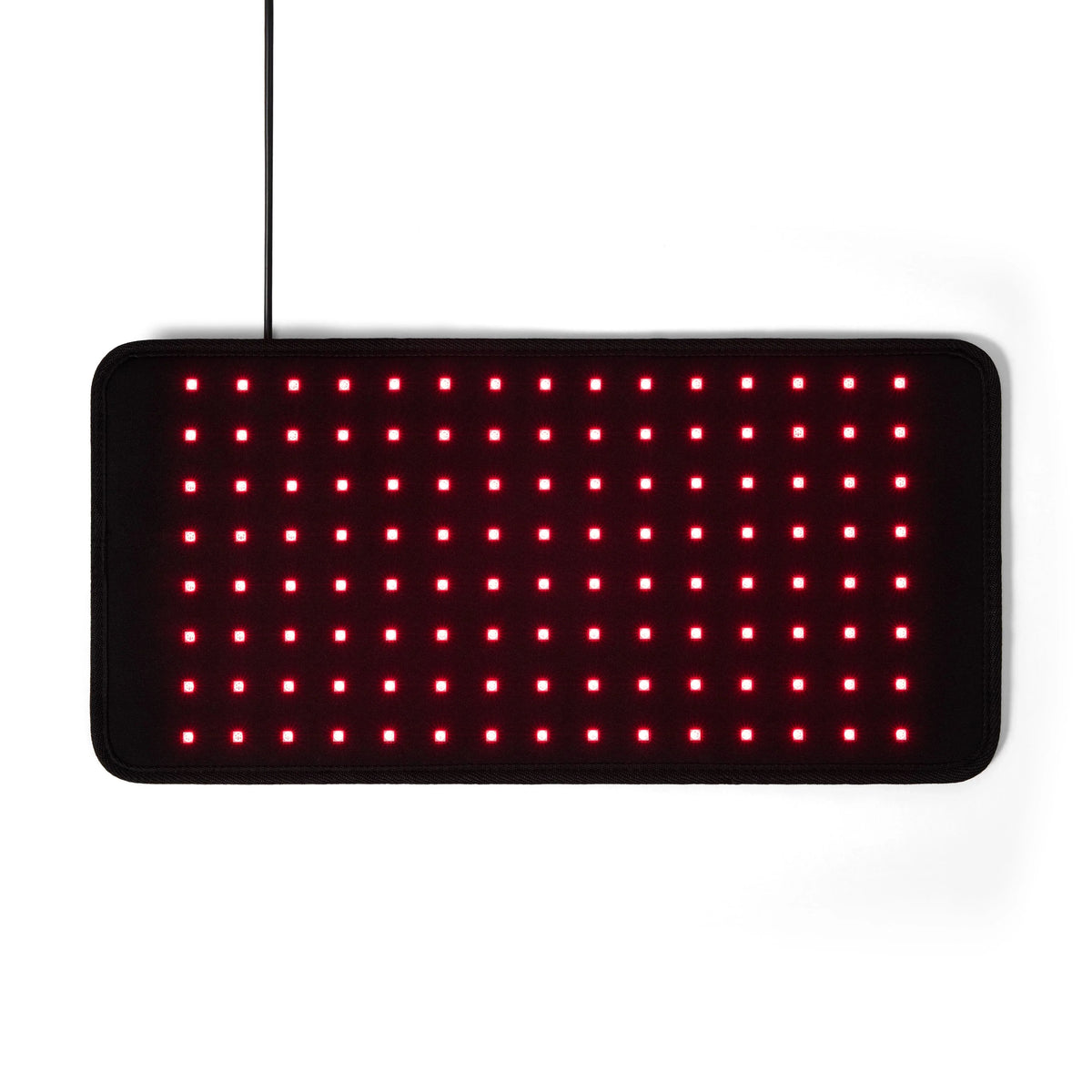
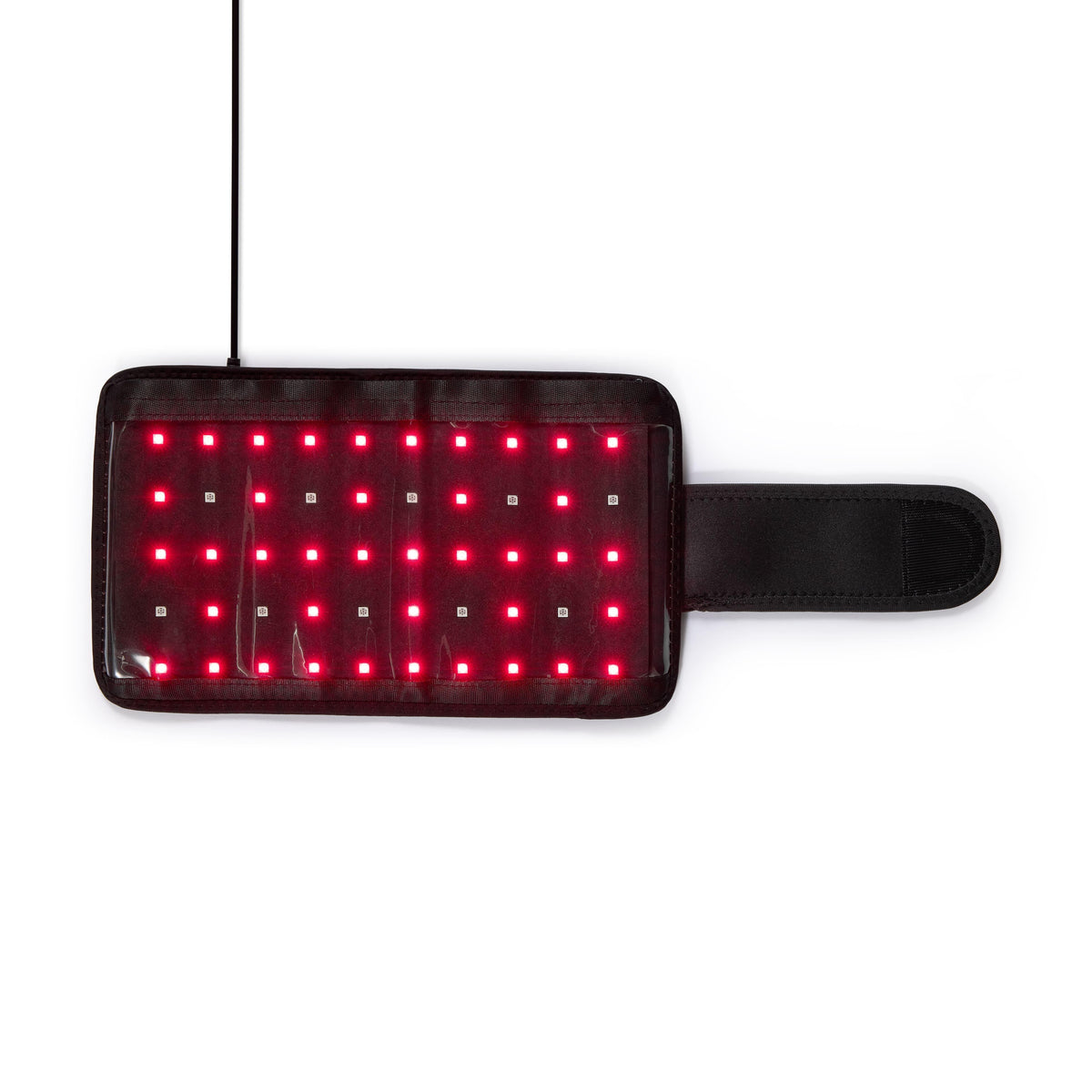
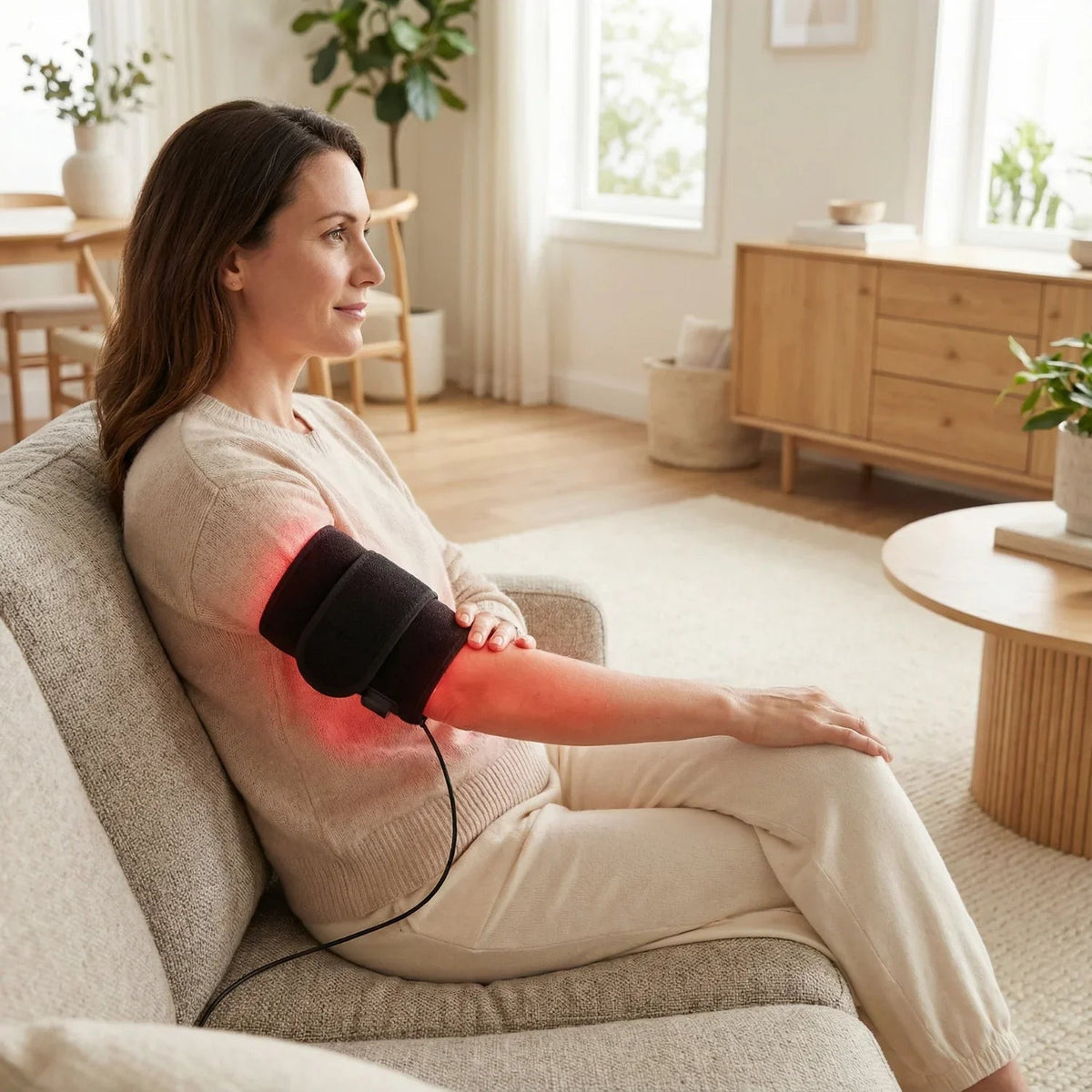
Masks simplify facial sessions, wraps stay positioned on targeted areas, and panels or mats cover more of the body with less repositioning.

ROUTINE & CONTROLS
Timers, brightness levels and selectable light modes can make regular use easier. Choose controls that fit when and how you plan to use the device.


Wavelength, format, coverage
Tell us your goal, the area you want to cover, and how you like to use it. We will help you choose the right device.
Get help choosingGuided by a Kinaura advisor
Practical answers about device formats, wavelengths, output, session planning and safety.
LED light therapy can produce measurable biological effects, but results depend on the wavelength, irradiance, treatment distance, session length and consistency of use. A device should provide clear specifications and usage guidance, not simply a large number of LEDs or multiple colors.
Choose the spectrum according to your primary routine. Blue light is commonly used for acne prone skin, green light for the appearance of uneven pigmentation, red light for skin-focused routines, and near-infrared light for deeper coverage. Multi-wavelength devices may combine several options, but more colors do not automatically mean better results.
Yes, if the device provides separately controlled modes and its instructions support combining them. Different wavelengths serve different purposes, so use only the channels relevant to your routine rather than activating every color by default.
Follow the instructions supplied with the specific device because treatment time varies with irradiance, distance and wavelength.
Start with the recommended minimum session and avoid increasing exposure simply because the light feels comfortable. More exposure is not necessarily more effective.
Follow the eye safety instructions for the device and use the supplied protective eyewear whenever recommended. Blue light and high intensity facial or panel devices can feel particularly bright. Do not look directly into illuminated LEDs, and stop the session if you experience eye discomfort, headache or visual disturbance.
Responses can vary, particularly in people prone to melasma or post-inflammatory hyperpigmentation. Heat, excessive exposure and some light wavelengths may aggravate pigmentation in susceptible skin.
Begin cautiously, consider a small-area test and consult a qualified healthcare professional if you have melasma, a darker skin tone or a history of light triggered pigmentation.
These terms are not interchangeable. FDA registration generally identifies a company or facility and does not confirm that a product has been evaluated for effectiveness.
FDA clearance applies to specific devices reviewed through an applicable pathway, while FDA approval is a different regulatory standard. Always check the status claimed for the individual product.
Read our FDA and Medical Device Disclaimer for a general explanation of these distinctions.